
 News
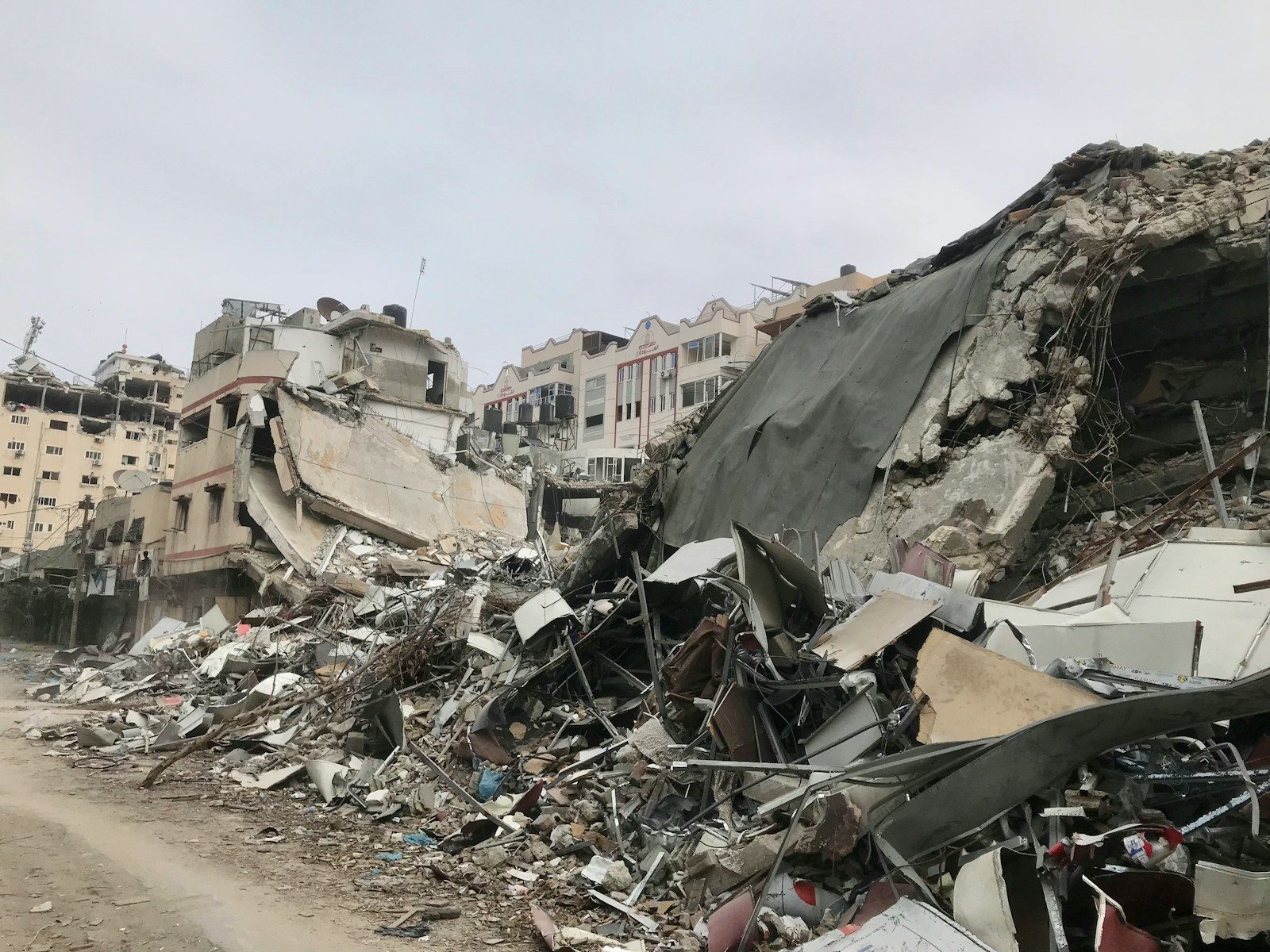
NewsThe United Nations reported Wednesday that, nearly one year after the ceasefire agreement in Gaza, Palestinians still face significant deprivation of basic human rights, including access to clean water, adequate shelter, healthcare, and education. While UN agencies continue to provide assistance, Palestinians’ access to essential humanitarian aid remains restricted, creating substantial obstacles to returning to a normal life.
“One year after the ceasefire, while progress was made—on bringing such essential elements like food items and nutrition— we still have not resolved a very cyclical matter related to water and sanitation, people don’t have access to clean water in sufficient quantities,” said Acting UN Special Coordinator for the Middle East Peace Process Ramiz Alakbarov. Despite progress in delivering those essential humanitarian assistance, significant obstacles remain, including restrictions on humanitarian access and on the entry of materials needed for reconstruction.
The Israel-Palestine conflict in Gaza and the Israeli-occupied West Bank is one of the world’s longest and most violent disputes. In October 2025, a ceasefire deal was reached that included plans for Israeli troop withdrawal, Hamas’ disarmament, and reconstruction and governance of a post-war Gaza. However, as of the agreement’s nine-month progress report, little progress had been made in delivering the required aid in Gaza amid restictions on aid items and cumbersome customs approvals.
Additionally, Israel’s adherence to the rules of the agreement have been questioned as attacks in Gaza have continued. The latest attack came Wednesday, when eight people were killed on the Gaza Strip, including Palestinian journalist Muhammad Abdel Aziz al-Najjar.
Even prior to this latest stint of fighting between Israel and Hamas, Gaza had one of the highest unemployment rates in the world and many were living below the poverty line and relying on food aid for survival. Currently, individuals are facing an even greater deprivation of their basic human rights- nearly 80% still face unemployment, 70% are in need of basic shelter, and 1.4 million are facing food insecurity.
“Gazans are tired, they want back to normal life, they are asking to not live another winter in tents,” conveyed Alakbarov. “They need better housing; they would like to work. They are asking for their children to be able to go back to school. And they would like to actively contribute to the recover of their land and to rebuilding Gaza.”
For broader solutions, Alabrov conveyed the need for continued international support of a two-state solution, in which Israel and Palestine coexist in peace and security. Alakbarov said renewed efforts were needed to rebuild trust, strengthen Palestinian institutions and create conditions for a credible political process.
