
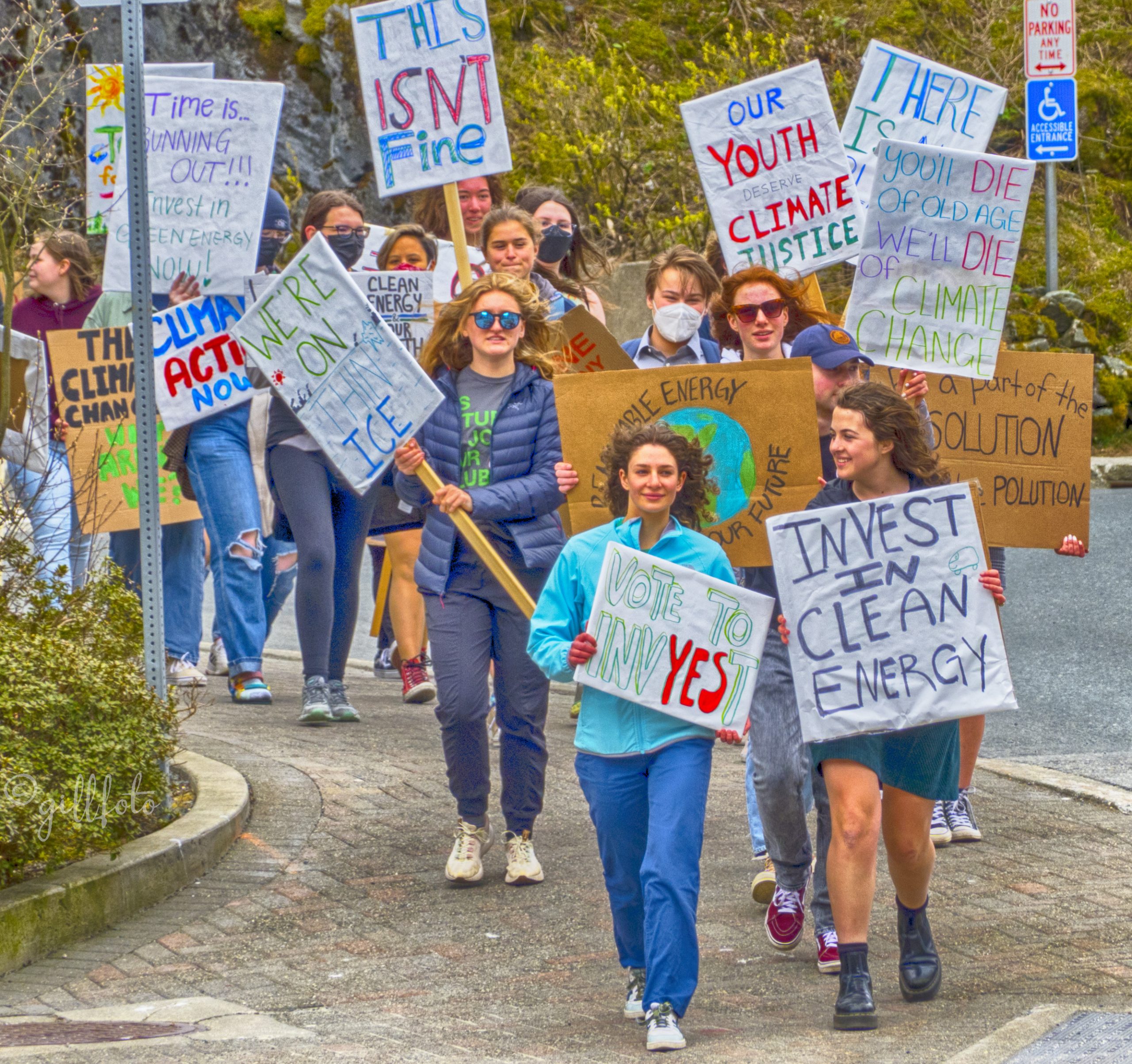
The UN announced on Monday that addressing air pollution and climate change concurrently can save lives, reduce global warming, and generate around $15 in economic benefit for every dollar invested, based on a report by the UN Environment Programme (UNEP) and the Climate and Clear Air Coalition (CCAC).
The CCAC’s assessment indicated that coordinated efforts to address air pollution and climate change together would produce higher returns than tackling each issue separately given that both crises share common pollutants and drivers, such as fossil-fuel combustion, certain agricultural practices, and industrial processes. Inger Andersen, executive director of UNEP, stated :
For too long, we have treated climate action as a cost to be managed and air pollution as the unfortunate outcome of development. This report shows the opposite: clean air is a key driver of development,…and climate stability—an asset we must invest in.
Elliott Harris, independent co-chair of the assessment, further added that the report’s findings should change how finance ministries and investors view clean-air policies, arguing that a benefit-cost ratio of 15 to one would attract capital in almost any other sector.
The report shed light on the impacts of air pollution on individuals’ health. It detailed that in 2025, exposure to human-caused outdoor air pollution was linked to 6.4 million premature deaths worldwide. Additionally, outdoor air pollution contributed to 5.5 million new cases of childhood asthma, two million cases of dementia, and millions of other health conditions, including strokes, lung cancer, and pulmonary disease.
Therefore, the UN emphasized the importance of implementing the report’s recommendations to coordinate action in order to improve public health, strengthen economies, and accelerate progress on climate goals through the adoption of 25 proposed measures and policy reforms across several sectors, such as energy, industry, and transport. These measures include the use of renewable energy, clean fuel sources for cooking and heating, low-sulfur shipping fuels, and stronger vehicle emission and efficiency standards.
The UN stressed that following these measures would simultaneously benefit public health and the climate, as their implementation would allow the halving of global carbon dioxide emissions and avoidance of nearly 0.34 degrees Celsius of global warming by 2050. However, it noted that the main challenges delaying the implementation of these reforms include fragmented decision-making and weak government coordination, therefore calling for stronger alignment of public and private finance and integrated environmental and economic planning.
The UN has previously issued multiple warnings about the deteriorating environmental situation amid the increasing frequency of extreme weather events, calling on states to implement necessary measures to mitigate climate change. These measures mainly involve transitioning from fossil fuels to clean energy systems, such as wind turbines and electric vehicles.
However, the development of clean energy technologies heavily relies on mining activities to extract the required minerals, which raises significant environmental, social, and geopolitical controversies. In March 2026, the UN urged the global community to comply with its established norms for the extraction and processing of critical minerals as global demands increased.

