
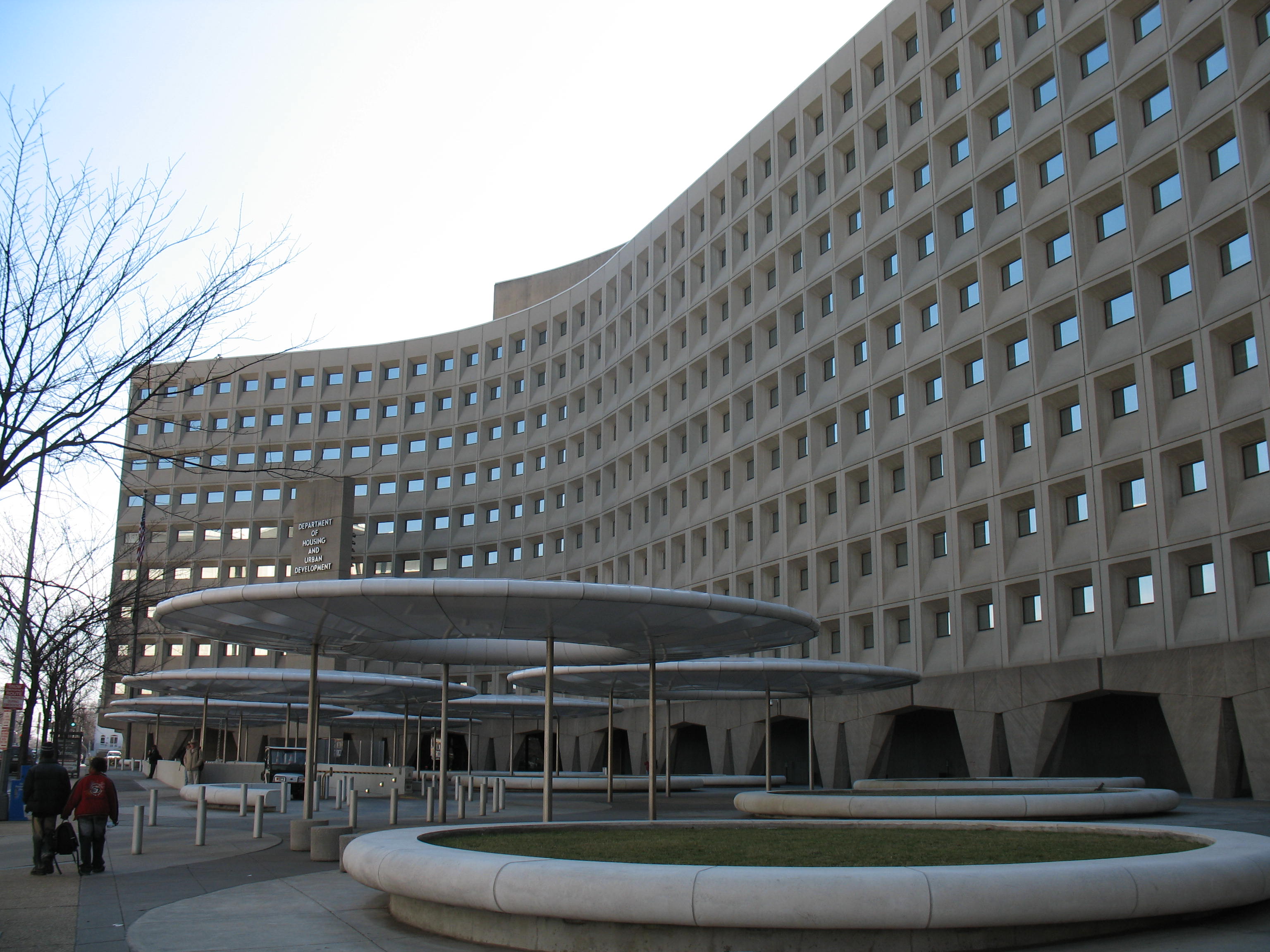
Judge Myong J. Joun of the United States District Court for the District of Massachusetts on Wednesday granted a Temporary Restraining Order (TRO) against the Department of Housing and Urban Development (HUD). The order blocks HUD’s plan to halt Private Enforcement Initiatives (PEI) under the Fair Housing Act, removing the department’s access to funding.
In reaching this decision, Judge Joun found that the National Fair Housing Alliance (NFHA) who were the plaintiffs, were likely to succeed in arbitrary and capricious litigation. The Judge found that HUD failed to “adequately explain the [funding] structure when it took action,” not when “defending the action in court.” HUD utilized an affidavit called the Roth declaration to explain the changes but that was found “impermissible.”
Additionally, the court took issue with reliance interests and alleged pretextual reasoning on the part of HUD. The NFHA has relied on PEI grants for years. Courts take into account longstanding reliance on old agency policy when reviewing changes. In the complaint, NFHA stated that there are over 100 organizations carrying out the purpose of the Fair Housing Initiatives Program (FHIP). The old practice allowed for organizations centering activity on “FHIP-funded work.” Judge Joun agreed, finding HUD failed to address these reliance issues.
On pretext, Judge Joun stated that the goals set out in the policy change do not square with reality. The goals were increasing and broadening participation. Nevertheless, Judge Joun stated that “excluding almost all existing fair housing organizations will certainly not strengthen fair housing work.”
Judge Joun also dismissed HUD’s new conditions on immigration status, faith, and gender ideology. The judge considered this outside the scope of agency discretion (see below). He also found that the defendants failed to explain why this was relevant to the FHIP. The defendants argued it was included to ensure the law was followed. It was also found to cause irreparable harm to both the plaintiffs and those seeking fair housing assistance.
HUD’s main defense was that the funding decision was agency discretion. The Supreme Court has held that agency discretion is not subject to judicial review. Citing Lincoln v Vigil where the Supreme Court ruled that lump sum appropriations from congress to agencies result in discretionary funding. However, Judge Joun distinguished the current case from Lincoln. The court found that the FHIP specifically mentioned PEI grants unlike the statute in Lincoln. HUD also pointed to statutory text, that involves the word ‘may.’ In statutory interpretation, the word ‘may’ usually indicates permissiveness rather than it being obligatory in nature, an argument that Judge Joun did not agree with. He agreed with the plaintiffs that the programs are a “necessary component of the fair housing enforcement system.”
Following the ruling the NFHA’s president Lisa Rice stated ” This ruling means the people who answer that call are still going to be there to answer it and serve people desperately seeking protection from unlawful housing discrimination.” The NFHA press release celebrated the ruling as a key victory but warned that the case is not over as the TRO expires in September.
Previously, HUD had become the subject of extensive lawsuits, including state-led policy lawsuits where a coalition of 20 states and the District of Columbia challenged agency changes, intense homelessness funding disputes arbitrated by federal appeals courts, and critical fair housing and discrimination litigation ranging from Supreme Court arguments over ‘disparate-impact’ to advocacy lawsuits over suspended fair housing rules.

