
Amnesty International on Friday expressed deep concern over the recent amendment to Article 248 of El Salvador’s constitution, warning that the change could drastically undermine human rights protections.
Amnesty International Americas director Ana Piquer criticized the new legislative method imposed by the amendment, suggesting it “could undermine human rights in the future and limit people’s opportunities to participate in public affairs.” The rights organization claimed that this reduction in civic space and public engagement in governmental decisions threatens to sideline necessary public input and consolidate power, risking the erosion of democratic norms and the rule of law.
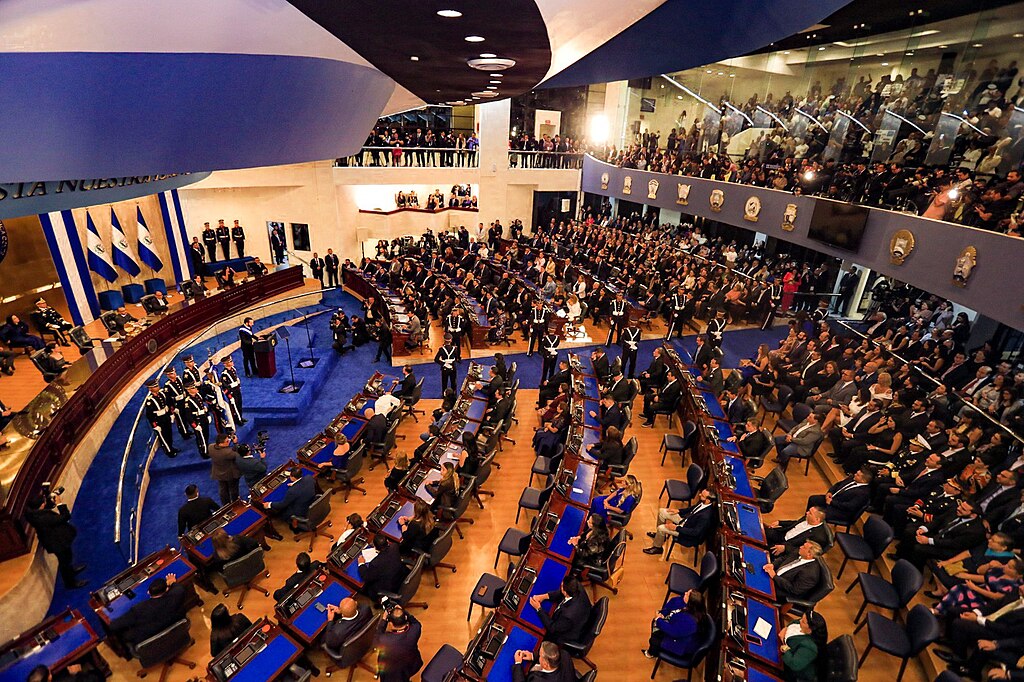
Historically, any constitutional changes in El Salvador required approval across two consecutive legislative sessions. This process was designed to be measured and inclusive, allowing ample time for public debate and ensuring a variety of perspectives could influence legislative reforms. On January 29, 2025, however, the Legislative Assembly ratified an amendment to Article 248 of the Constitution of El Salvador and significantly altered this procedure. The law now permits a single legislative body, armed with a three-quarter majority, to enact constitutional changes, potentially leading to rapid ratification of amendments with less time for consideration.
Furthermore, critics argue that the modification of Article 248 could set a precedent for future amendments that might weaken the judicial system and diminish human rights protections. The ruling party’s existing supermajority in the Legislative Assembly, coupled with its history of pushing through significant legal changes with minimal consultation, indicates that this trend is likely to continue under the new procedure.
The international community, including human rights organizations and political analysts, has echoed Amnesty International’s concerns. There is strong advocacy for the return to a more transparent and participatory constitutional process to safeguard human rights and democracy in El Salvador. This call to action is underscored by ongoing concerns over the country’s adherence to its human rights obligations, especially under recent states of emergency that have further restricted public freedoms and access to justice. Rights advocates argue that these conditions have set a troubling precedent for the implications of the new constitutional amendment.

